euractiv.de
 euractiv.fr
 euractiv.es
 euractiv.it
 euractiv.pl
 euractiv.cz
 euractiv.gr
 euractiv.ro
 euractiv.sk

Based on facts, either observed and verified directly by the reporter, or reported and verified from knowledgeable sources.
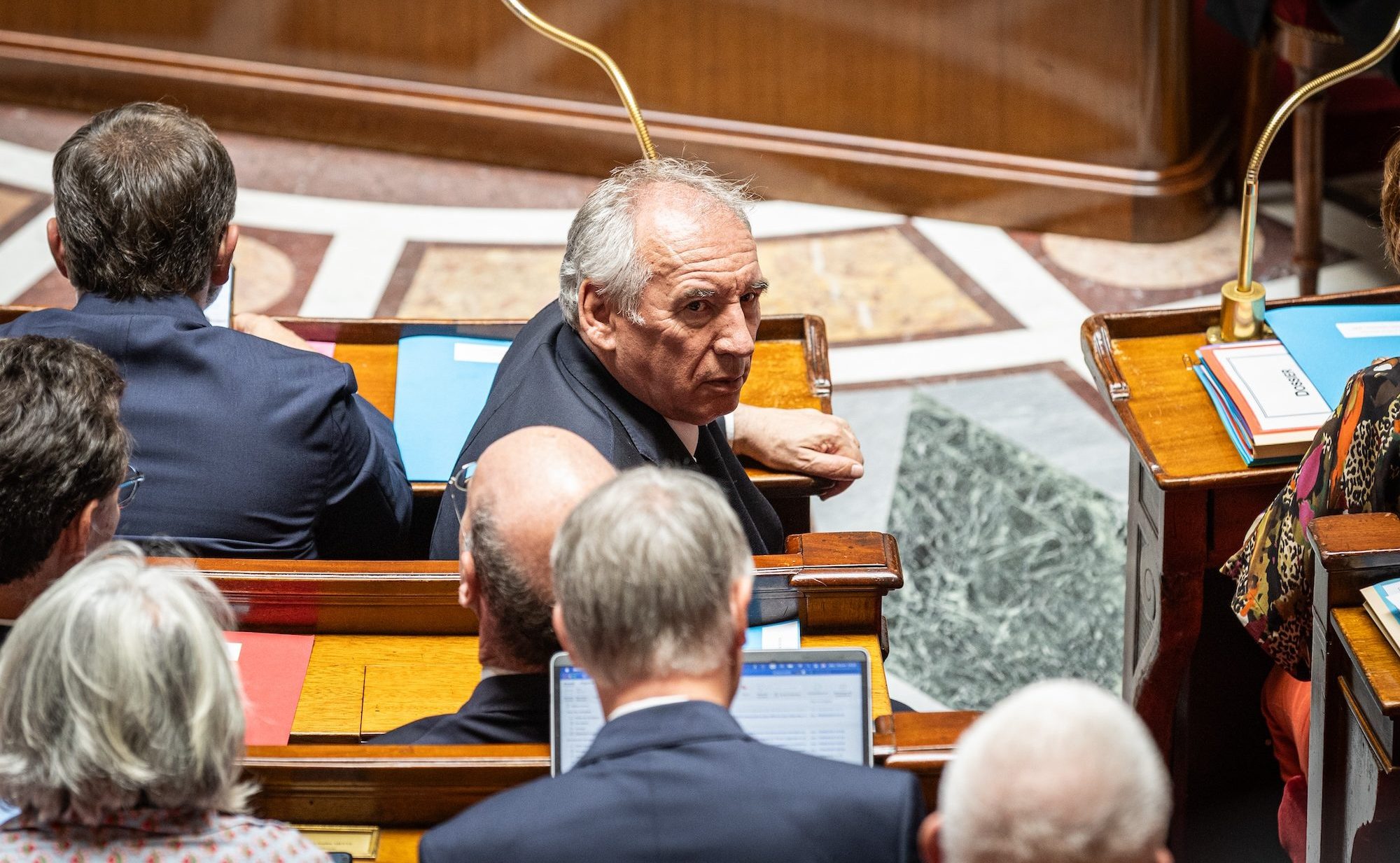
French Prime Minister François Bayrou has dropped political bombshells by proposing a total freeze on state spending in 2026, the abolition of two public holidays, and yet another reform of unemployment insurance.
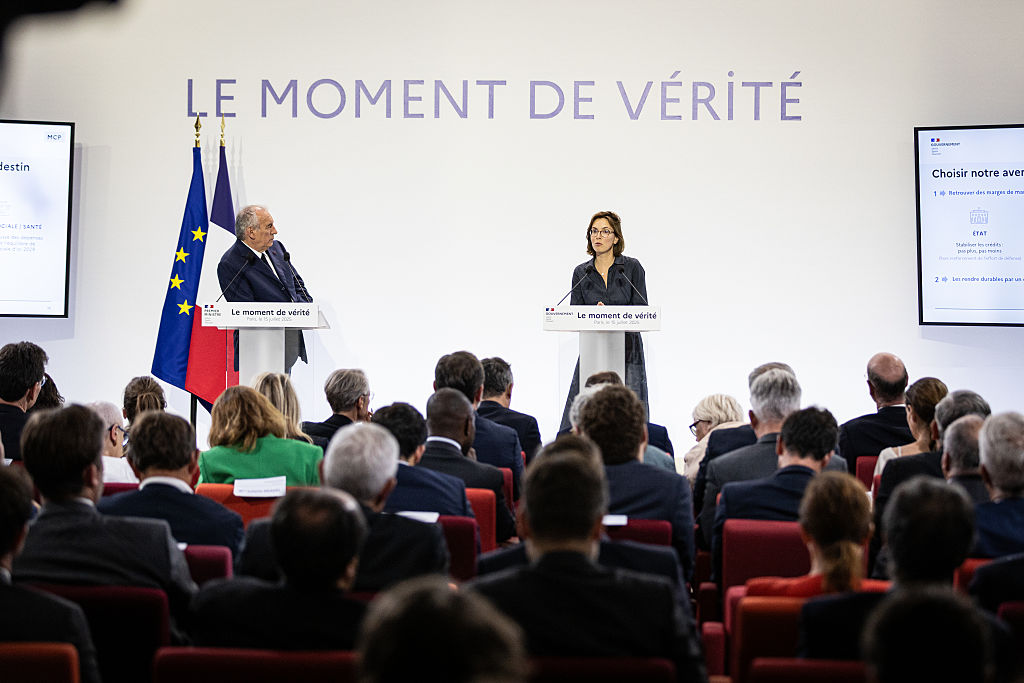
If Bayrou has succeeded in one thing, it is in turning the announcement of unprecedented budget cuts into the most anticipated political moment of the year. All major French media outlets broadcast his press conference live, grandly titled “The Moment of Truth”.
Over the past three months, members of his government had taken turns preparing the public for a though fiscal tightening, creating a morbid sense of suspense. “What I’m going to announce has never been dared before in France,” Bayrou warned days earlier.
“This is a critical moment in our history,” he said on Tuesday, using small graphs to illustrate France's position at “the last stop before the cliff and being crushed by debt”.
Public debt has recently reached 114% of GDP. Bayrou has pledged to cut the 2024 deficit from 5.8% to 4.6% by 2026, aiming to bring it below the EU's 3% threshold by 2029.
To achieve this, Bayrou aims to generate €43.8 billion in savings in 2026. His roadmap includes two strands: saying “stop to debt” and going “forward with production”.
“Everyone will have to contribute to the effort,” Bayrou stressed.
Among the measures announced, the state will not spend "a single euro more in 2026 than in 2025, except for the increase in debt servicing costs and additional defence spending,” even as inflation is projected to reach 1.6% next year.
The freeze will apply to all ministry budgets, social benefits, pensions, civil service salaries, and tax brackets – saving an estimated €7 billion.
Bayrou also said that one in three retiring civil servants would not be replaced, and that a new agency would be created to “reduce, manage and make use of the state’s unproductive assets” - in other words, to begin a major sale of national property.
Healthcare spending is also in the crosshairs, with €5 billion in savings targets, such as ending full reimbursement for certain medications.
To offer some concessions to the left, Bayrou also announced a “solidarity contribution” for the wealthiest French citizens, insisting that the effort to restore public finances “must be equitable.”
The “forward with production” pillar aims to reduce red tape for businesses and boost productivity. “We need to work more,” said Bayrou, proposing the elimination of Easter Monday and 8 May as public holidays, alongside a fresh reform of unemployment insurance with tighter rules.
Still, Bayrou and President Emmanuel Macron’s supply-side approach may face headwinds. The Banque de France recently cut its 2026 growth forecast to 0.6%, bankruptcies are rising amid escalating EU-US trade tensions.
Details of the plan had were kept under wraps until a final meeting with Macron late on Tuesday morning. Over the weekend, the French president made the prime minister’s job more difficult by announcing a €3.5 billion increase in defence spending for 2026, followed by another €3 billion in 2027.
“We cannot leave our continent defenceless,” Bayrou insisted on Tuesday amid current global geopolitical threats. “We will not sacrifice our security imperative,” he added.
A fiery autumn ahead
The 2026 draft budget will go before the National Assembly from 1 October, where it will likely face a barrage of amendments.
The government may then be tempted to use Article 49.3 of the Constitution, which allows a bill to be adopted without a vote, but also opens the door to a motion of no confidence.
This tactic has already proved fatal. On 4 December 2024, Michel Barnier’s government collapsed – only the second time in the Fifth Republic's history – after invoking the provision to push through the 2025 Social Security Financing Bill without a vote. The subsquent no-confidence motion tabled by left-wing parties received support from 331 of the 577 MPs, including those of the far-right Rassemblement National (RN).
Bayrou’s fate may now rest with the fractured opposition. The far-left LFI, the Greens, and the Communists are expected to back a no-confidence vote. The RN, for its part, is demanding a renegotiation of France’s contribution to the EU budget and has vowed to protect pensioners – both unlikely concessions. The Socialist Party (PS) is calling for higher taxes on wealth and a rollback of the retirement age to 64.
Although a Socialist-led motion in June failed to topple the prime minister, the political drama unleashed by Bayrou’s latest bombshell looks set to dominate the summer – and could threaten his hold on power."
(de)
Updated: 17-07-2025