euractiv.de
 euractiv.fr
 euractiv.es
 euractiv.it
 euractiv.pl
 euractiv.cz
 euractiv.gr
 euractiv.ro
 euractiv.sk

Based on facts, either observed and verified directly by the reporter, or reported and verified from knowledgeable sources.
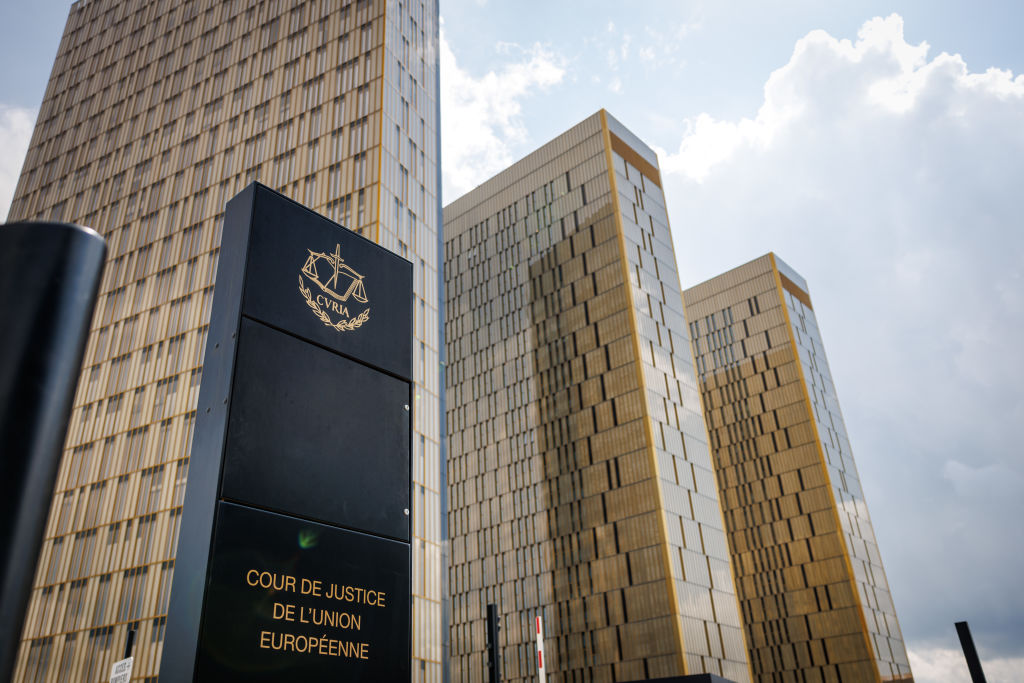
MADRID - A legal representative of the European Commission told the EU’s top court that Spain’s controversial Amnesty Law stems from a “political pact” linked to the re-election of Prime Minister Pedro Sánchez in 2023.
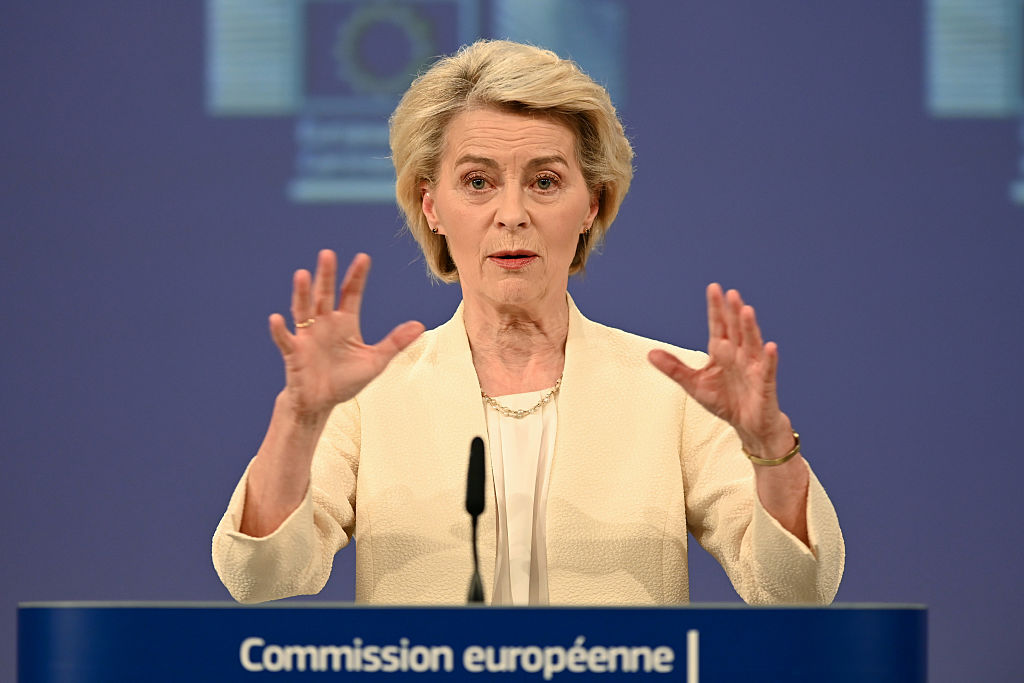
At a hearing before the Court of Justice of the EU (CJEU) on Tuesday, Commission legal representative Carlos Urraca Caviedes stated that the law “does not seem to respond to an objective of general interest,” arguing it was “part of a political agreement to achieve the investiture of the Spanish government.”
The CJEU proceedings, initiated by Spain’s Court of Auditors and the National High Court, aim to assess whether the Catalan secessionist movement harmed the EU’s financial interests – and whether the amnesty amounts to a politically driven “self-amnesty.”
The legislation, passed with the backing of Catalonia’s pro-independence ERC and Junts parties, offers pardons to hundreds of individuals involved in the independence push between 2012 and 2023, including figures tied to the 2017 unilateral declaration of independence.
In Madrid, government spokesperson Pilar Alegría responded to Urraca Caviedes's statement by defending the law as a means of promoting national unity and reconciliation between Madrid and Barcelona, the regional capital of Catalonia.
She noted that both Spain’s Constitutional Court and the Council of Europe’s Venice Commission had endorsed its legality, and that no EU recovery funds were found to have financed the independence movement.
Nevertheless, legal uncertainty persists. Last year, Spain’s Supreme Court upheld embezzlement charges against separatist leader Carles Puigdemont, thus refusing to apply the amnesty law to him.
Puigdemont is accused of misusing public funds to finance the 2017 Catalan independence referendum, specifically by channelling around €1.6 million of taxpayers' money intended for public services towards referendum-related expenses. His most recent appeal was dismissed in April.
The CJEU ruling, expected by the end of the year, will be binding on all Spanish courts.
(cs, aw)