euractiv.de
 euractiv.fr
 euractiv.es
 euractiv.it
 euractiv.pl
 euractiv.cz
 euractiv.gr
 euractiv.ro
 euractiv.sk

Based on facts, either observed and verified directly by the reporter, or reported and verified from knowledgeable sources.
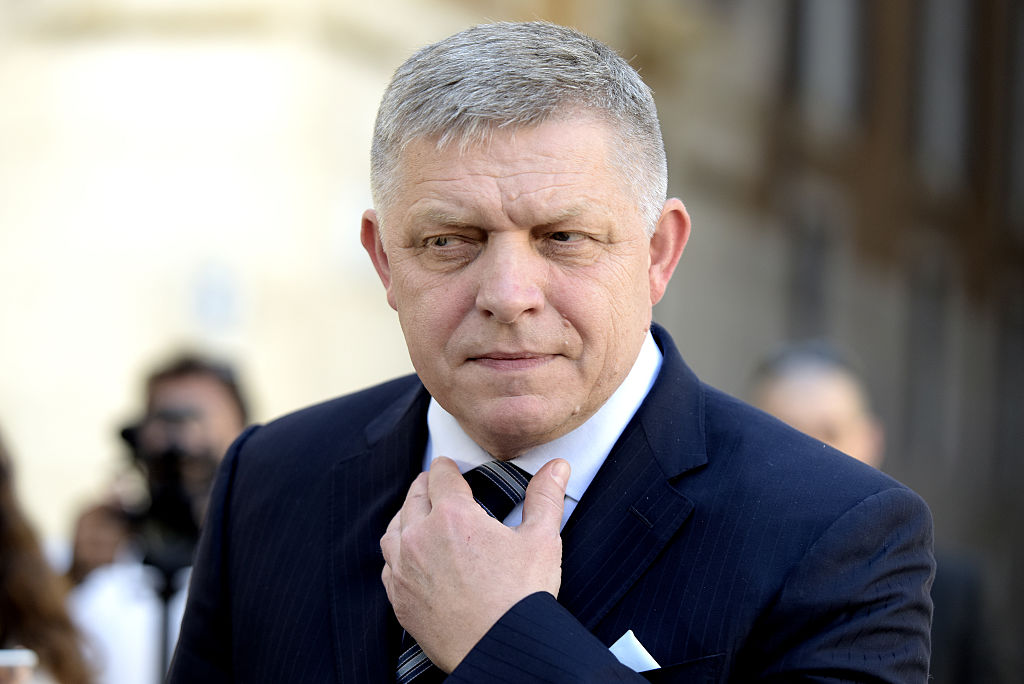
BRATISLAVA - Slovak Prime Minister Robert Fico announced Tuesday that his government will again request a delay in adopting the EU’s 18th sanctions package against Russia, arguing that the guarantees offered by the European Commission to address Slovakia’s energy security concerns remain insufficient.
In a Facebook post, Fico said the Commission’s proposals “do not provide Slovakia with sufficient guarantees,” and confirmed that Bratislava’s representative in Brussels had been instructed to request a postponement of the vote.
Since returning to power in 2023, Fico's government has blocked or delayed several EU-wide initiatives targeting Moscow, aligning Slovakia more closely with Hungary — arguably the EU’s two most Kremlin-friendly nations.
Slovakia is currently blocking the new sanctions over energy security concerns, as the country remains heavily reliant on Russian gas. Hungary’s refusal to back the sanctions is reportedly connected to its backing of Slovakia’s stance.
“The government coalition rejects the idiotic proposal by the European Commission to cut off Russian gas flows by 2028,” he wrote, but added that it is open to negotiating a deal that would “guarantee a certain level of comfort” for Slovakia beyond that deadline.
Fico reiterated that Slovakia would not obstruct EU efforts if it received credible assurances to mitigate the impact of phasing out Russian energy.
He insisted that the most viable solution would be an exemption allowing Slovakia to honour its contract with Gazprom until it expires in 2034—something the Commission currently rejects on principle.
While much of the EU has weaned itself off Russian energy since the full-scale invasion of Ukraine, Slovakia and Hungary remain heavily dependent.
What the Commission offered
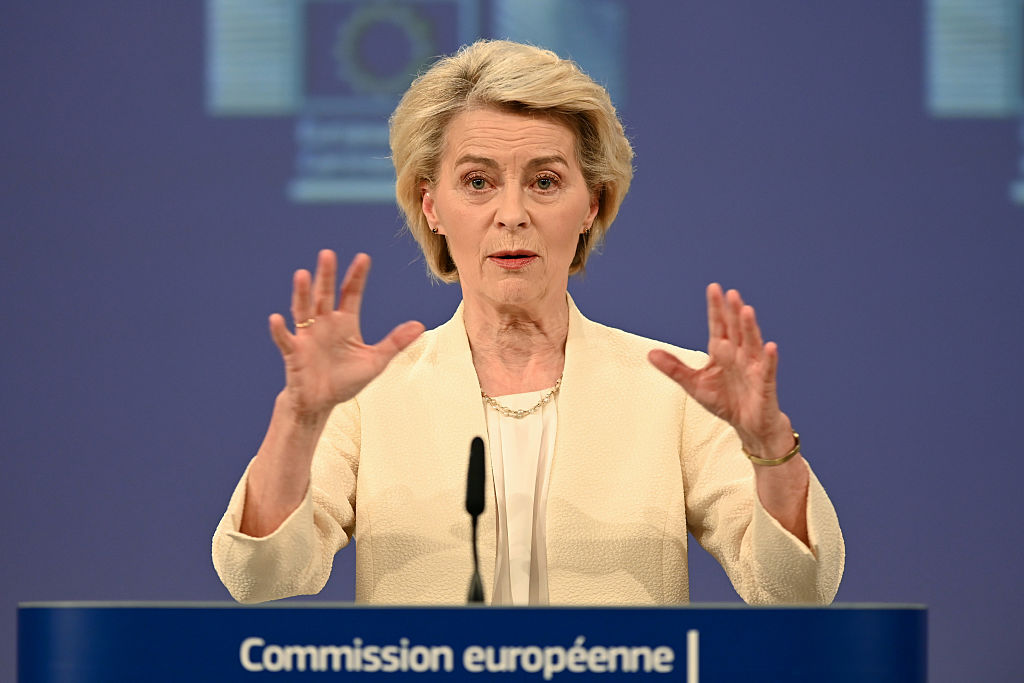
In a letter sent on Monday, Commission President Ursula von der Leyen set out a series of proposed guarantees aimed at alleviating Slovakia’s concerns.
These included creating a task force to support and monitor Slovakia’s energy transition, developing a solution for cross-border oil and gas tariffs, and clarifying technical mechanisms — such as allowing spot market operations to adjust existing long-term contracts.
The Commission also pledged to support the implementation of new and existing energy measures, fast-track approval of state aid schemes, and explore the use of EU funds to offset the impacts of the Russian gas phase-out and to assist with diversification efforts.Fico said he had forwarded the Commission’s letter to the leaders of all Slovak political parties to gather their views.
The ruling Hlas-SD party welcomed the Commission’s proposals, while coalition partner SNS has yet to comment.
Opposition parties, however, criticised Fico for failing to secure concrete concessions in Brussels and accused him of “disgracing the country’s name.” Still, they called on him to ensure Slovakia supports the sanctions package.
(cs, aw)